A major heroin seizure in Poland shows how foreign criminal networks still exploit Europe’s trade routes while officials struggle to keep poison off the streets.
Quick Take
- Polish authorities say they seized over a tonne of heroin at the Baltic port of Gdynia.
- Officials said the drugs were hidden in a shipment of decorative bricks and linked the cargo to Iran and the United Arab Emirates.
- Three Polish citizens were detained and charged, but the investigation remains ongoing.
- The case fits a broader pattern of heroin moving through well-known routes into Europe, including channels tied to Iran.
Heroin Bust at a Key Baltic Port
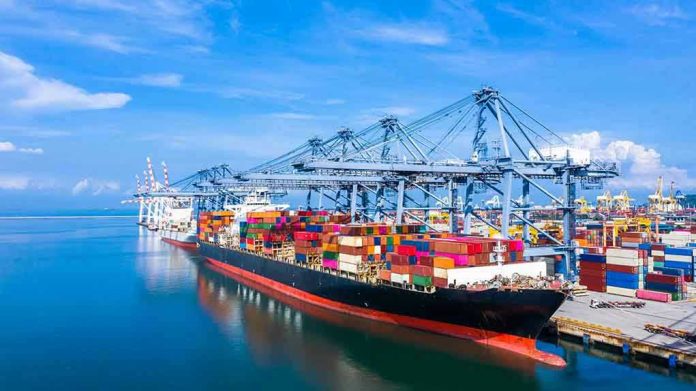
Polish authorities said Monday they intercepted over a tonne of heroin at the port of Gdynia, one of the largest drug seizures in the country in years.[1] Interior Minister Marcin Kierwinski said the shipment was hidden inside decorative bricks, and officials valued the drugs at 220 million zlotys, or about 51.8 million euros.[1]
The public account matters because the seizure was not a small street-level case. Authorities described a coordinated maritime shipment, first flagged by British customs officials, that moved through commercial trade channels before Polish officers found the narcotics.[1][2] That kind of concealment shows how traffickers use ordinary cargo to mask serious criminal activity and why border enforcement remains a basic national security concern.
What Officials Say About the Route
Polish police chief Marek Boroń said the drugs originated from Iran, while AFP reporting said the shipment came from the United Arab Emirates before reaching Poland.[1][2] The distinction is important because narcotics reporting often uses shorthand about origin and transit, and those terms can describe a manufacturing source, a consolidation point, or a routing corridor rather than a single place where every part of the operation began.[5][7]
European drug officials say maritime containers carrying heroin have repeatedly originated from ports in Iran and Pakistan, and they identify the Balkan, Southern, Caucasus, and Northern routes as recurring pathways into Europe.[5][6][7] The European Union Drugs Agency also notes that the Northern route can end in the Baltic countries and Poland, which makes the broader trafficking pattern consistent with the Polish seizure even as investigators continue to sort out the full chain of custody.[5]
Arrests, Charges, and the Open Questions
Investigators detained three Polish nationals in connection with the case and prosecutors in Gdańsk charged them, according to the reports from Polish and wire-service coverage.[1][3] The YouTube statement from the Central Investigation Bureau and the National Revenue Administration says the investigation is ongoing and that officers have not ruled out further arrests, which means the public version is still the starting point, not the final legal finding.[3]
That matters because drug enforcement cases often reveal a wider network only after seized cargo, shipping records, and communications are fully reviewed.[3][5] For readers concerned about law, order, and sober border control, the case is a reminder that traffickers are still using globalized shipping systems to move lethal drugs into Europe, and governments have to do more than issue press releases if they want to stop it.[1][5][7]
Sources:
[1] Web – Poland seizes major heroin shipment from Iran
[2] Web – Warsaw, June 8, 2026 (AFP) – Poland seizes major heroin shipment …
[3] Web – EU Drug Market: Heroin and other opioids — Trafficking and supply
[5] Web – [PDF] Opioid trafficking routes from Asia to Europe
[6] Web – [PDF] Drug Situation in the IR of Iran Production, cultivation and …
[7] Web – Iran’s War on Drugs: Holding the Line? – Middle East Institute