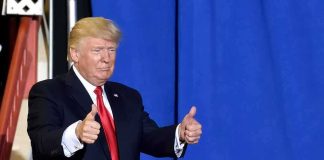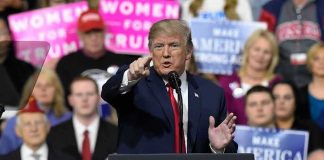

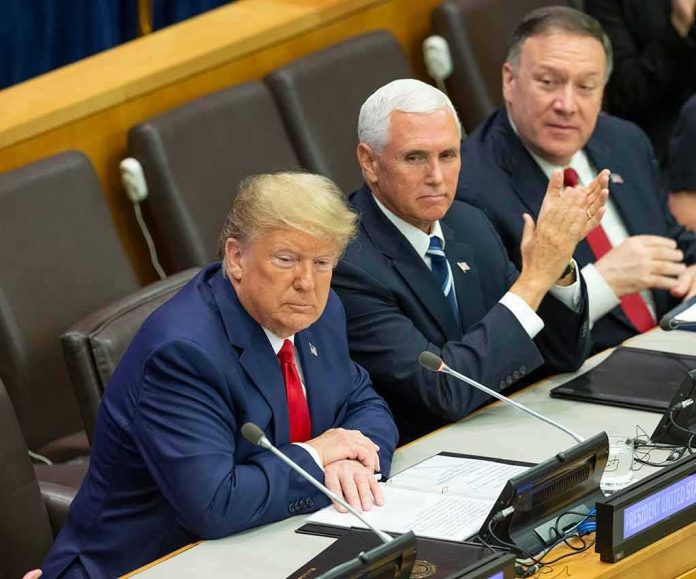
A potential Iran deal that could reshape the Middle East is racing toward a deadline, but Tehran’s hard line and regional refusals show this “over the weekend” breakthrough is anything but guaranteed.
Story Snapshot
- Trump says an Iran agreement is “largely negotiated” and could be ready within days, but Tehran insists no signing is imminent.
- The White House is tying any Iran deal to expanding the Abraham Accords, pressing Muslim-majority nations to normalize with Israel.[1][2]
- Iranian officials publicly reject joining the Abraham Accords and still refuse to recognize Israel, limiting how far normalization can go.
- Key players like Pakistan openly refuse Trump’s demand to join the Abraham Accords until a Palestinian state is created, exposing regional resistance.
Trump’s Weekend Deal Talk and What It Really Means
President Donald Trump has told Americans that a deal with Iran is “largely negotiated” and could come together within days, even suggesting an agreement might be wrapped up “over the weekend.” CBS News reports that a senior official said Iran had “in principle” accepted terms on disposing of highly enriched uranium, but that final details were still under negotiation. Iranian statements, however, stress that while talks are ongoing, “no deal is imminent,” drawing a sharp line between Washington’s optimism and Tehran’s caution.
Trump has repeatedly vowed that Iran will “never ever have a nuclear weapon” under any accord his administration signs, placing nuclear limits at the center of the talks.[1] According to CBS, draft understandings discussed would require Iran to abandon nuclear weapons, extend ceasefire arrangements tied to regional tensions, and address what happens to its enriched uranium stockpile. These provisions align with long-standing conservative priorities: preventing a nuclear-armed Iran, protecting Israel, and restoring credible American deterrence after years of perceived appeasement under prior administrations.
Abraham Accords as a Condition, Not a Side Deal
Trump is not treating the Iran file as a narrow nuclear question; he is explicitly tying it to expanding the Abraham Accords, the normalization framework first signed in 2020 between Israel and several Arab states. Fox News reports that he has pressed Muslim-majority nations to sign the Abraham Accords if they want to participate in what the White House calls a “developing Iran agreement,” going so far as to say it should be “mandatory” that certain countries “simultaneously, sign onto the Abraham Accords.”[1] In public remarks, Trump has even floated the possibility of Iran itself eventually joining the Accords.[1]
Video from a cabinet meeting shows Trump telling his team that any Iran agreement “should include a requirement for several additional countries” in the region to enter the Abraham Accords, explicitly naming key Middle Eastern states.[2] Analysts describe this as a grand-bargain approach: leverage the urgency around Iran’s nuclear program and regional security to push states that have sat on the sidelines to finally normalize with Israel.[2] For conservatives who saw the original Abraham Accords as one of Trump’s signature achievements, tying new security concessions for Iran to expanded recognition of Israel fits a broader strategy of cementing American and Israeli strength in the region.
Resistance from Iran and Key Muslim Nations
Yet the same public record that shows Trump’s pressure campaign also reveals how hard the follow-through will be. Democracy Now’s coverage of the negotiations notes that Iranian officials have rejected the idea of joining the Abraham Accords and continue to refuse recognition of Israel. That stance directly conflicts with any vision of Tehran signing onto a normalization framework with the Jewish state, even in a long-term scenario. Without movement on that core ideological issue, Iran is unlikely to embrace the broader regional order Washington is trying to construct.
One week later.
Update: Number of countries that have agreed to sign the Abraham Accords after Trump said it was “mandatory:” Still zero. https://t.co/utEUSEyMwN
— Paul Farhi (@farhip) June 3, 2026
Resistance is not limited to Iran. Sky News Australia and other outlets report that Pakistan’s Ministry of Foreign Affairs publicly rejected Trump’s push to join the Abraham Accords, insisting that normalization must wait until there is a viable Palestinian state with Jerusalem as its capital. Commentators on the same coverage highlight that Iran’s enriched uranium is viewed in Tehran as an “insurance policy,” casting doubt on claims that Iran will easily hand over or destroy its nuclear material just because Washington says a deal is close. These reactions underscore the gap between White House messaging about imminent success and the hard realities of regional politics that could slow or derail any “weekend” signing.
What Conservatives Should Watch in the Coming Days
For constitutional conservatives and America First voters, several questions now matter more than the headline about a possible weekend deal. First, will any final text truly dismantle Iran’s path to a nuclear weapon, with verifiable inspections and clear consequences, or will it repeat the weak verification and sunset flaws of the Obama-era agreement that Trump tore up in his first term? Second, will the administration hold firm on using these talks to expand the Abraham Accords, or will pressure for a quick diplomatic “win” tempt negotiators to water down the normalization demands on Arab capitals and, eventually, Iran itself?[1][2]
Third, Americans should watch whether the deal enhances or undermines U.S. leverage in strategic chokepoints like the Strait of Hormuz, where shipping freedom and energy security are on the line. Finally, conservatives will want transparency: no secret side letters, no backdoor sanctions relief that props up the Iranian regime’s support for terrorism, and no concessions that tie America’s hands if Iran cheats again. Trump’s supporters know that previous globalist approaches failed; they will judge any “weekend” deal by whether it strengthens American power, protects Israel, and advances peace through strength rather than returning to the old pattern of appeasement that put U.S. security and family budgets at risk.
Sources:
[1] YouTube – Trump says a deal with Iran could come ‘over the weekend’
[2] Web – Trump calls on Arab nations to sign Abraham Accords – Fox News