A single armed man turned a tuxedo-and-teleprompter tradition into a live-fire test of America’s protective security—and the real drama started afterward, thousands of miles away in a quiet California neighborhood.
Quick Take
- Gunfire erupted at the security checkpoint for the WHCA Dinner at the Washington Hilton on April 25, 2026, as dinner service began inside.
- Secret Service moved President Donald Trump, Vice President J.D. Vance, and cabinet officials out of the ballroom while officers confronted the suspect.
- Authorities identified the suspect as 31-year-old Cole Tomas Allen (also reported as Cole Allen) from Torrance, California, allegedly armed with a shotgun, a handgun, and multiple knives.
- Investigators treated the case as a possible “lone wolf” attack while searching his hotel room and focusing attention on his home area in California.
Gunfire at the checkpoint, not a “White House rush”
Gunshots rang out around 8:30 to 8:36 p.m. Eastern, not at the White House fence line, but at the indoor screening area near the ballroom hosting the White House Correspondents’ Association Dinner. That distinction matters because it reframes the incident from a symbolic breach of the presidential residence to a targeted attempt to overwhelm event security. The suspect never made it into the ballroom, but the intent looked unmistakable: reach the protected space.
Secret Service and responding law enforcement exchanged fire with the suspect and detained him, with reports indicating he suffered injuries. One Secret Service member was shot yet reportedly protected by a bulletproof vest and expected to recover. The operational story here is speed: agents didn’t “wait and see.” They executed the one job the public expects—move the protectee—then let armed perimeter elements finish the fight.
The evacuation tells you what professionals feared in the moment
Inside the ballroom, guests were in that early-dinner lull—salad service, speeches, the usual self-aware satire—when the protective posture snapped from ceremonial to combat. Trump, Vance, and cabinet officials were rushed away from the stage area as the disturbance unfolded outside the room. People often imagine an evacuation as a dramatic sprint. In reality, the choreography is practiced: short commands, hard angles, controlled corridors, and no debate.
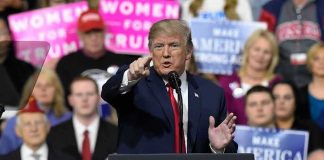
Trump later posted CCTV footage on Truth Social and called the suspect a “lone wolf whack job,” adding that the man “looked pretty evil.” Releasing video can reassure the public that officers acted decisively, but it also sets a narrative early, before investigators finish interviews and evidence review. Conservative common sense should welcome transparency while resisting the temptation to declare motive prematurely. Facts first, labels second.
Who investigators say the suspect is—and what remains unclear
Authorities identified the suspect as Cole Tomas Allen, 31, from Torrance, California, though some reports shortened the name to Cole Allen. Early accounts described him as a teacher, a detail that grabbed attention because it clashes with the cartoon villain image people prefer in crisis. Investigators reportedly found multiple weapons in the picture: a shotgun, a handgun, and knives. The alleged loadout suggests planning, even if no broader network appears.
Officials also searched the suspect’s hotel room and treated the incident as a lone-actor case while the investigation unfolded. “Lone wolf” is not a comforting term; it’s an admission that traditional tripwires—co-conspirators, obvious communications, a known group—might not exist. That is why the follow-up matters: if there is no obvious organization to chase, investigators pivot to places and patterns—home, work, travel, purchases, and digital traces.
Why Torrance became the second scene of the story
The headline hook—law enforcement swarming a California neighborhood—fits the standard post-attack sequence. Once agents lock down the immediate scene, they race to contain the suspect’s wider footprint: residences, vehicles, storage units, and any location where weapons, writings, or devices might sit. For residents, it looks like overkill: blocked streets, federal jackets, long guns, and neighbors peeking through blinds. For investigators, it’s time compression.
Conservative values emphasize order, lawful authority, and community safety, and that framework supports a robust search when credible cause exists. The caution is equally conservative: avoid punishing a neighborhood for one man’s alleged actions. A swarm can deter copycats and secure evidence, but it can also fuel rumors when officials don’t communicate clearly. The public deserves straight answers about what was sought, what was found, and what risk remains.
The WHCA Dinner problem: a soft target wearing a hard-target costume
The WHCA Dinner has run for more than a century as a high-profile mashup of politics and press, and modern security has treated it as a hardened event—magnetometers, credentialing, and layered perimeters. Yet it still functions like a hotel gathering: guests arrive in waves, security lanes bottleneck, and the environment rewards someone willing to create chaos. This incident underscores a brutal lesson: an “elite” venue can still be a soft target.
One practical consequence will be perimeter redesign. Expect wider standoff zones, earlier screening, and stricter control of hotel access around protected events. That will irritate attendees and complicate logistics, but comfort can’t outrank safety. Another consequence is messaging discipline: officials must keep “White House” language precise. Calling it a White House rush blurs understanding, and sloppy language invites sloppy policy. Clarity is not spin; it’s prevention.
Next comes the part the public rarely sees: arraignment schedules, charging decisions, forensic work, and motive analysis that resists cable-news timelines. If investigators confirm the suspect acted alone, the uncomfortable takeaway remains: a lone actor with common weapons can force the federal government to evacuate a ballroom in seconds. That reality doesn’t require panic. It demands humility, preparedness, and security planning that assumes the unthinkable will eventually be attempted.
Sources:
Trump Rushed Off Stage After Shots Fired at White House Correspondents Dinner