A stolen corgi weighing maybe 30 pounds orchestrated a 17-kilometer escape leading six larger dogs through Chinese highways, fields, and urban sprawl back to their homes after all seven were snatched from neighboring houses in what owners feared was a death sentence at a dog meat shop.
Story Snapshot
- Seven dogs stolen from three neighboring homes in Changchun, China, escaped captivity and navigated 17 kilometers back home led by a corgi
- Video footage captured the unlikely pack moving in perfect unison along busy highways, with the corgi repeatedly checking on an injured German shepherd
- Local rescuers deployed drones and volunteers to safely guide the dogs home after their journey went viral on Douyin
- The escape sparked widespread calls for animal protection laws in a region where dog theft for meat consumption remains common
The Unlikely General Leading His Pack
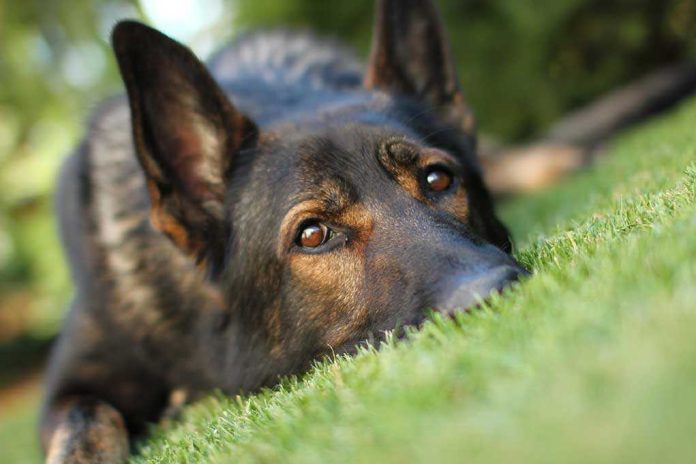
Witness Lu captured the moment on video, describing what he saw as nothing like typical stray dogs wandering aimlessly. The corgi led a ragtag battalion that included a German shepherd, golden retriever, labrador, and Pekingese through Changchun’s chaotic roadways. The small dog repeatedly glanced backward, checking on the injured shepherd struggling to keep pace. This wasn’t random movement or survival instinct gone haywire. The dogs moved with purpose, maintaining formation across fields and highways as if following an invisible map etched in their collective memory.
The coordination defied typical canine behavior patterns. Lu noted they resembled “a band of little brothers in distress, moving in unison.” That level of synchronized movement across multiple breeds, sizes, and temperaments suggests something deeper than fear or hunger driving their journey. These dogs weren’t fleeing. They were going home, and the corgi somehow communicated the route and maintained order among animals triple its size.
The Shadow of the Dog Meat Trade
Dog thefts in northeastern China carry a grim context that makes this story’s happy ending more remarkable. While cities like Shenzhen banned dog meat consumption in 2020, the practice remains legal and culturally tolerated in regions including Changchun. Owners of the German shepherd and golden retriever expressed relief their pets avoided what they feared most, telling reporters “We are so lucky they came back, not to be eaten.” The speculation that thieves targeted these dogs for a meat shop remains unconfirmed, but the owners’ terror was real and rooted in regional realities.
The theft itself highlights a persistent problem that animal welfare advocates have struggled to address through fragmented local ordinances. Northern China’s dog meat industry operates openly in many areas, creating economic incentives for organized pet theft. These aren’t opportunistic crimes. Thieves systematically target neighborhoods, grabbing multiple animals at once, which explains how seven dogs from three different homes disappeared simultaneously. The dogs’ escape disrupted what could have been a lucrative haul for whoever snatched them.
Technology Meets Ancient Loyalty
Local animal rescuers demonstrated how modern tools can support traditional community values when they deployed drones to track the dogs’ progress and coordinate volunteer positions. The combination of aerial surveillance and human compassion ensured the exhausted animals navigated final obstacles safely. The injured German shepherd required particular attention, with the corgi’s repeated check-ins alerting rescuers to that dog’s struggle. This wasn’t a government operation or professional animal control response. Ordinary citizens mobilized because the viral Douyin video moved them to action.
The viral spread of Lu’s footage illustrates how social media can galvanize communities around animal welfare issues in countries where formal legal protections lag behind public sentiment. Comments flooded Douyin calling dogs “our most devoted friends” and demanding lawmakers “establish an animal protection law.” That groundswell matters in a political system where social stability concerns make officials responsive to widespread public opinion. The dogs’ journey became more than a heartwarming story. It became evidence that current laws fail to protect animals citizens increasingly view as family members rather than property or food.
What Pack Loyalty Teaches About Leadership
The corgi’s behavior throughout the 17-kilometer trek reveals leadership principles that transcend species. Size didn’t determine authority in this pack. The smallest dog commanded respect from larger, physically dominant breeds through consistent action and attention to the group’s weakest member. The corgi didn’t abandon the injured shepherd or push ahead selfishly. It modeled the pace, checked progress, and somehow maintained group cohesion across terrain that would scatter most loose dog collections within minutes. That’s not dominance through aggression. That’s leadership through service and accountability.
Animal behavior research consistently shows dogs form hierarchies, but this event demonstrates something beyond typical pack dynamics. These dogs came from different homes with no prior relationship as a unified group. The corgi apparently established trust and direction during their captivity or early escape, creating bonds strong enough to survive the stress of highway traffic, physical exhaustion, and the injured member slowing their progress. The owners received their pets back not just alive, but fundamentally changed by an experience that forged seven individuals into a functional unit.
Sources:
Seven stolen dogs march home in a corgi-dinated escape
Corgi reunited with owner after 2000 mile journey from Calif. to Chicago