

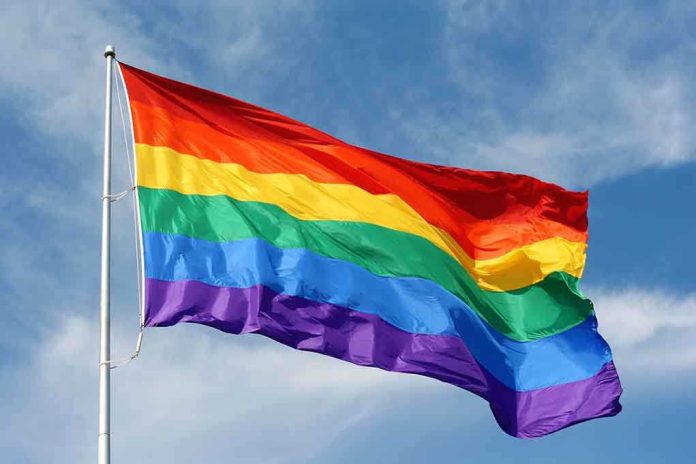
Netflix is under scrutiny as a report claims nearly half of its children’s shows contain LGBTQ content, sparking a heated debate on media representation and parental control.
Story Overview
- 41% of Netflix children’s shows reportedly contain LGBTQ content.
- The report was published by the conservative group Concerned Women for America.
- The framing of “LGBT propaganda” comes from commentary, not the original report.
- Netflix has not publicly responded to the claims as of now.
Report Details and Its Implications
Concerned Women for America (CWA), a conservative Christian policy organization, has published a report claiming that 41% of children’s shows on Netflix contain LGBTQ content. This report, based on an analysis of 326 series rated TV-G, TV-Y, and TV-Y7, has been used to characterize Netflix’s programming as a form of “indoctrination” of young viewers. The report suggests that parents need to be more vigilant about what their children watch and calls for alternative services and stricter content oversight.
Despite the report’s claims, it’s essential to understand that the methodology used by CWA is not academic but rather an internal coding scheme focused solely on the presence of LGBTQ content irrespective of its portrayal. This has led to criticism from LGBTQ advocacy groups who argue that representation fosters inclusivity and visibility, essential for supporting marginalized groups. The debate over media representation is not new and reflects broader cultural conflicts around gender and sexuality in media.
The Broader Context of LGBTQ Representation
LGBTQ representation in children’s media has increased over the last decade, with platforms like Netflix and Disney leading the charge. Shows like “Dead End: Paranormal Park” and “The Dragon Prince” are examples where LGBTQ characters are featured prominently. GLAAD and other advocacy groups have praised these platforms for their strides in representation, arguing that such portrayals are crucial for improving mental health and fostering a sense of belonging among LGBTQ youth.
However, this increase in representation has not been without backlash. Conservative groups, including CWA, view these portrayals as inappropriate for children, framing them as attempts to push a particular agenda. The report’s timing coincides with heightened political debates over LGBTQ rights and representation, especially in educational settings.
Stakeholders and Their Motivations
Several key stakeholders are involved in this ongoing debate. Netflix, as the platform under scrutiny, aims to serve diverse global audiences, including LGBTQ families and allies. Their commitment to inclusive programming is part of a broader strategy to maintain a competitive edge in the streaming market. On the other hand, CWA’s motivations are deeply rooted in promoting “Biblical values” and restricting what it sees as inappropriate content.
Parents and guardians find themselves in a critical position, navigating differing narratives about what is suitable for their children. While some support increased representation, others echo concerns about potential indoctrination. This divide underscores the complexity of media consumption in an era where content is rapidly evolving.
Potential Outcomes and Future Considerations
The report by CWA serves as a mobilization tool for conservative advocacy networks, potentially influencing policy discussions around media regulation and parental controls. For Netflix, the reputational risks among conservative audiences could translate to economic consequences if significant numbers opt to cancel their subscriptions.
On a broader scale, this debate highlights the ongoing cultural battles over representation in media. The outcome could shape how future generations perceive diverse identities and whether they view them as part of the societal norm or an exception. For LGBTQ advocates, the challenge remains to defend inclusive content amidst calls for censorship, emphasizing the importance of visibility and positive representation.
Sources:
Kidscreen: Netflix, Disney leading the kids’ TV pack in LGBTQ representation
Wikipedia: Netflix and LGBTQ representation in animation
Statista: LGBTQ character inclusion in streaming content providers