President Trump granted onstage pardons to two Alaska diesel mechanics, turning a long-running Clean Air Act case into a clear win for working tradesmen.
Story Highlights
- Trump signed unconditional pardons onstage in Wasilla for two Anchorage diesel shop co-owners.
- The men pleaded guilty in 2022 to a Clean Air Act conspiracy tied to emissions-control tampering.
- Justice Department records show probation, fines, and service—not prison—were imposed in the case.
- Prosecutors alleged at least 37 vehicles were modified and customers paid for the service.
Public Pardons Put Working Trades In The Spotlight
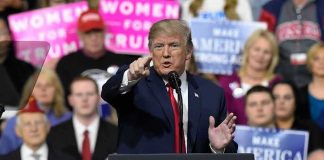
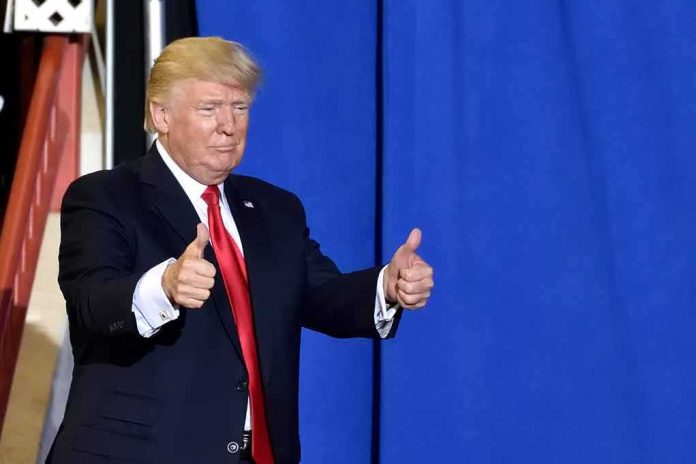
President Trump signed pardons onstage at a Wasilla rally for Alaska mechanics Zachary Czubak and Patrick Fleming, who co-owned an Anchorage diesel repair business. The moment underscored a broader clash between federal environmental rules and people who fix engines in harsh conditions. Reports say the pardons were unconditional and delivered in front of supporters, making the case a national example of how clemency can correct what many view as overreach into everyday work.
Trump’s action capped a case that began under the prior administration’s enforcement push. The Justice Department said the shop’s owners pleaded guilty in 2022 to a Clean Air Act conspiracy. Court records described removal of emissions equipment and changes to onboard monitors. The government tied those steps to pollution increases. The pardons erase the federal convictions and penalties for the two named owners, consistent with the president’s constitutional clemency power.
What Prosecutors Alleged And How Sentencing Played Out
Federal filings said the mechanics’ shop removed required pollution-control hardware and altered monitoring systems on at least 37 diesel vehicles between 2019 and 2020. Prosecutors also said the service was offered for a fee, listing ranges over one thousand dollars per job. Despite early talk about severe penalties, sentencing outcomes showed no prison terms. Reports cite probation, community service, and significant fines instead, reflecting how judges ultimately weighed the conduct.
Government summaries went further on impacts. One outlet relayed prosecutors’ claim that tampering caused vehicles to emit “thousands of times more pollution.” That figure drew attention and fueled debate. Supporters of the mechanics countered that diesel performance and reliability in Alaska’s extreme cold can fail under standard settings. The record, however, does not include engineering tests resolving that dispute. The pardons close the federal case but do not answer the technical questions.
Why This Matters For Fairness, Federal Power, And Livelihoods
Alaskans know winter is not theory. Mechanics keep trucks moving so families get to work and supplies reach towns. The case shows how national rules can land on local shoulders with real costs. When enforcement turns routine shop work into a federal crime scene, trust breaks. The Constitution gives the president a tool for mercy and balance. Trump used that tool here, signaling that federal power should not crush the people who keep America running.
Breaking News
Trump signs pardons for Alaska diesel mechanics onstage during rally touting major energy dealsThe president declared every federal permit granted for the 800-mile pipeline while pardoning Clean Air Act defendants
President Donald Trump announced pardons for two…
— News News News (@NewsNew97351204) October 14, 2026
This pardon also fits a wider pattern. In recent years, federal agencies targeted diesel “delete” work with civil and criminal cases. Some shops paid large fines. Some owners got probation. Under President Trump, policy shifted away from criminalizing many defeat-device cases, pushing solutions that fix problems without wrecking small businesses. The Alaska pardons align with that approach. They remind Washington that laws must protect health while respecting work, property, and common sense.
Sources:
cbsnews.com, yahoo.com, newsweek.com, adn.com, justice.gov, cambridge.org