
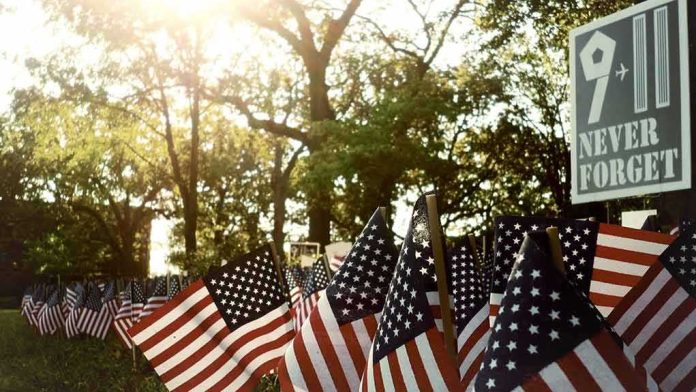
New York City’s 9/11 remembrance is now a proxy fight over who gets to stand with grieving families — and why.
Story Highlights
- Families of 9/11 victims launched a petition urging Mayor Zohran Mamdani to skip the 25th anniversary ceremony.
- Mamdani says he will attend to honor families, survivors, and first responders and “never forget”.
- Coverage cites hundreds of relatives and thousands of signatures, but organizer verification remains unclear.
- The memorial’s custom allows officials of all views to attend as witnesses, not speakers, limiting exclusion efforts.
What sparked the clash at a solemn ceremony
Relatives of 9/11 victims are asking event organizers to bar New York City Mayor Zohran Mamdani from this year’s 25th anniversary commemoration. Petition supporters argue his presence does not fit the event’s purpose and would add distress on a day meant for quiet grief. Reporting describes hundreds of family signers and a larger online surge, though the precise count and verification of relatives have not been independently audited in the record provided.
Mamdani and his office say he will attend the memorial to stand with families, survivors, and first responders, and to honor those lost. He frames his role as bearing witness, not making a political point. That position matches how many remembrance events operate in practice, where elected officials show respect but do not take the stage or lead the program. This difference in intent versus impact sits at the heart of the dispute.
How organizers handle politics at Ground Zero
Past practice at the memorial has aimed to keep politics away from the program itself. Reports describe a clear line: officials may attend, but they do not deliver remarks and are kept to designated areas to avoid overshadowing families. That norm allows people from across the political spectrum to be present as mourners, not as partisans — a framework that weakens ad hoc attempts to ban any one official only for their broader views.
That custom matters because it sets expectations for conduct and lowers the risk of disruption. It also puts weight on behavior at the site, not headlines posted elsewhere. Families who object say symbolism still hurts on a painful day. Mamdani’s team counters that presence alone, within rules, expresses shared memory and respect. Without a written bar from organizers in the record provided, the central question becomes etiquette, not eligibility.
Why both sides feel ignored by leaders
Families point to the mayor’s record and associations as reasons he should not attend, saying it clashes with American values tied to the attacks. They describe his presence as “unwelcome” and fear it will politicize a sacred space. They want leaders to put the bereaved first, not their public image. That plea reflects a wider mood in the country, where many feel elites talk past ordinary people on issues of security, unity, and respect.
Mamdani’s response leans on a civic role: a mayor should show up, honor the dead, and support first responders. He insists remembrance should unite the city without speeches or stunts. That stance also taps into a shared frustration. People on the left and right see grandstanding at memorials as disrespect. They do not want power games at gravesides. They want dignity, truth, and a focus on the families most affected.
What we know — and what is still missing
On the facts, family objections and the petition are real and public. The mayor’s intent to attend and honor is on the record. The memorial’s practice of keeping officials in the background is also established in coverage. What remains unclear in the provided record is how many signers are verified relatives and whether organizers have any written rule that allows exclusions based on political views rather than conduct at the ceremony.
9/11 families push to ban Mamdani from 25th anniversary remembrance over 'hostile' record
A https://t.co/oWWYEvRJpG petition cites Mamdani's associations and perceived reluctance to condemn phrases like 'globalize the intifada'
Families of 9/11 victims are urging organizers to…
— 🌻🇺🇸 🇮🇱 🧡Pro USA & Israel Reagan Republican (@lou_twin) July 28, 2026
The stakes are larger than one person’s attendance. Memorials test whether our institutions still serve people with humility. Many Americans feel leaders protect their own standing first. That fear rises when sacred rituals feel like stages. The path forward is simple but hard: post and follow clear, public rules; center the families’ needs; keep officials out of the spotlight; and judge all attendees by conduct, not hashtags.
Sources:
washingtonexaminer.com, instagram.com, gvwire.com