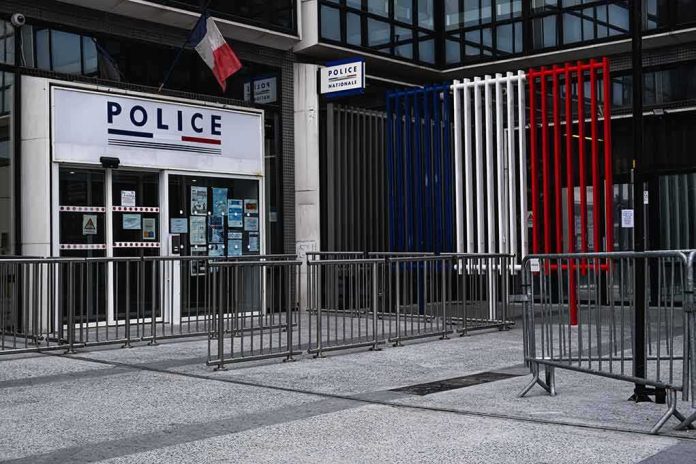
A key figure accused of feeding Jeffrey Epstein’s network with young models has turned up dead in France while investigators still had not questioned him.
Story Snapshot
- French modeling scout Daniel Siad, linked to Jeffrey Epstein, was found dead at his home near Paris.
- Siad’s name appears thousands of times in United States Justice Department “Epstein files,” showing years of contact and payments.
- French prosecutors were probing rape and human trafficking claims from multiple women but had filed no formal charges.
- The unclear timing and secrecy around his death deepen public distrust of elites, justice systems, and Epstein-related investigations.
Who Daniel Siad Was and How He Tied Into the Epstein Network
French model scout Daniel Siad spent years in the shadows of the fashion world, finding young women and sending them toward powerful men. Documents released by the United States Department of Justice show Epstein paid Siad tens of thousands of dollars and that Siad sent him photos and details of young women he met while traveling. French and international reports say Siad’s name appears roughly 2,000 times in the “Epstein files,” suggesting regular contact and deep involvement, even though he insisted he was only doing normal scouting work.
Emails described by reporters show Siad talking about ages and nationalities of girls and offering to send more pictures, sometimes of teenagers. One message from 2014 likened his work to “fishing,” treating the search for models like catching prey. A Swedish woman later told prosecutors that Siad committed sexual acts she described as rape in France in 1990, and other women said he recruited them to meet Epstein. At least five women were reported by French media as accusing him of rape or human trafficking tied to this network.
The Discovery of His Body and What Authorities Are Saying
On a Monday evening in Colombes, a suburb northwest of Paris, a woman living with Siad found his body in their home and alerted authorities. The Nanterre prosecutor’s office quickly opened an investigation into the cause of death and ordered an autopsy, saying they must determine how and why he died. Some outlets, citing French media, reported that he suffered cardiac arrest, but officials have stressed that the official cause has not yet been confirmed and that the inquiry is still open.
French prosecutors also said that, before his death, they had opened a case in February 2026 to investigate organized human trafficking and conspiracy linked to Epstein’s activities. They described Siad as one of several French men who could be questioned and confirmed that multiple complaints, including rape allegations, were under review. At the same time, Siad’s lawyer told reporters he was never the formal subject of judicial proceedings and had not been charged or arrested, underlining that, in legal terms, he remained presumed innocent when he died.
Unanswered Questions, Presumption of Innocence, and Public Distrust
Before his death, Siad went on television in France and denied any wrongdoing, saying his relationship with Epstein was strictly professional and that he believed Epstein was “a professional person.” He claimed the models he introduced never complained and that he was only doing his job in a tough industry. His lawyer repeated that line, arguing that there were no formal proceedings against him and urging people not to treat accusations as proof. Those points matter because, under French law, investigations can run for months or years before any public charges appear.
Model scout Daniel Siad, who was suspected of recruiting young women for American financier and sex offender Jeffrey Epstein and Donald Trump, was found dead in his home in Colombes, a suburb of Paris in the Hauts-de-Seine department.
The body of the 69-year-old man was… pic.twitter.com/3eKrAWtF3t
— Mykhailo Rohoza (@MykhailoRohoza) July 24, 2026
For many people on both the left and the right, that legal fine print does little to calm deeper fears. They see a man named thousands of times in sealed government files, linked to a convicted sex offender, under quiet investigation for rape and trafficking, now dead before a judge or jury heard the evidence. This fits a pattern they already distrust: powerful networks, secret documents, untested accusations, and sudden deaths that never feel fully explained. To citizens who believe the “deep state” protects elites and sacrifices victims, Siad’s case looks less like justice and more like another door slammed shut.
Why This Story Feeds Broader Anger About Elites and Broken Systems
Across the political spectrum, many Americans see the Epstein saga as proof that rich and connected people play by different rules. They watched Epstein die in custody, saw Ghislaine Maxwell sentenced while client names stayed sealed, and now hear that a model scout tied to those same files has died in France with key questions still open. The French prosecutor admits they lacked enough evidence even to arrest Siad, yet 24 women have come forward or been identified in connection with the wider investigation.
To conservatives angry about globalist elites and liberals furious about inequality and abuse, this feels familiar. Institutions promise full investigations but keep core records hidden. Media headlines frame people as guilty long before courts decide anything, while lawyers hide behind procedure. The result is a justice system that looks slow for victims, weak on predators, and strangely protective of the powerful. Whether Siad was a criminal recruiter, a cog in a bigger machine, or a man destroyed by association, his death in that Paris suburb adds another layer to a story many already see as proof that the system protects itself first and the public last.
Sources:
youtube.com, bbc.com, abcnews.com, nytimes.com, rt.com, wsj.com, independent.co.uk, tvpworld.com