
Amid a surge of ICE shootings and public anger, the Justice and Homeland Security Departments denied a reported policy shift as agents and reporters said written guidance told the FBI to step back from these cases.
Story Snapshot
- DHS and DOJ issued a joint denial that any change was made to FBI roles in cases involving assaults on immigration agents.
- Reporters cite people briefed on written guidance telling FBI field offices to defer these cases to Homeland Security Investigations.
- Recent ICE shooting cases and mixed investigative leads fuel distrust on both the right and the left.
- Clear, verifiable documents are missing from both sides, leaving the public stuck between claims and counterclaims.
What the Government Says Versus What Agents Reportedly Heard
The Department of Homeland Security and the Department of Justice said the partnership on assault-on-federal-officer cases has not changed and that the Federal Bureau of Investigation (FBI) will keep working these cases under agency policy. The joint statement also promised full prosecution of anyone who attacks law enforcement. The New York Times, citing people briefed on the move, reported that agents were told the FBI would no longer investigate such confrontations, with cases shifting to Homeland Security Investigations inside Immigration and Customs Enforcement.
No public, signed copy of the joint statement with an official release number has been posted that readers can verify, and no named official is attached to it in the reporting used here. The reported internal guidance has also not surfaced as a document the public can read. That leaves a hard gap: the government denies any change, while reporters say written notices went to FBI field offices. Without documents, the dispute turns on trust in institutions and in the press.
Why Jurisdiction Matters For Accountability
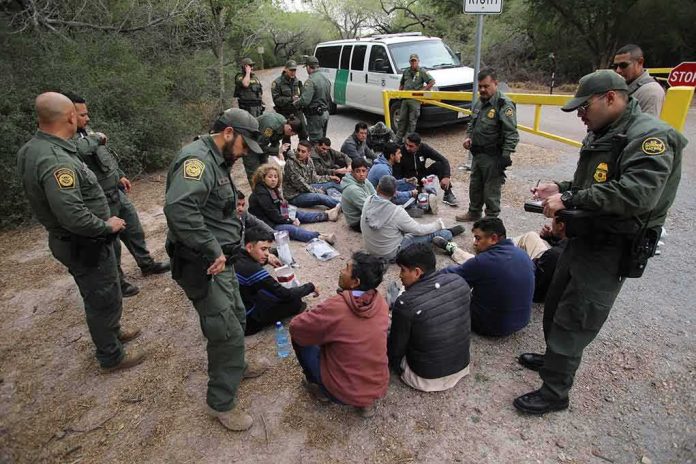
Shifting these cases to Homeland Security Investigations would mean the immigration agency is largely investigating its own confrontations. That creates a conflict risk that many Americans, regardless of party, see as a red flag. Independent review helps build public trust after violent encounters. The Times described exactly this concern, saying Homeland Security Investigations would likely take lead, which could reduce outside scrutiny if the FBI steps back. That structural issue, not just politics, drives the stakes in this fight.
The backdrop is a rise in shootings during immigration operations. NBC News counted 11 people shot since last September, with three civilian deaths and no Immigration and Customs Enforcement agent deaths reported in those incidents. Those numbers add pressure for clear, independent probes and fast public answers. When cases drag on or go “internal,” people suspect a cover for errors. That suspicion grows when official words and on-the-ground guidance appear to clash.
Confusing Signals From Recent Cases
Some high-profile cases cut both ways. In Minnesota, national and international outlets reported that the FBI took over the probe into the killing of Renee Good, which undercuts claims of a total FBI pullback. At the same time, other cases have lingered without a clear federal lead, and local families still wait for results months later, which feeds the view that accountability is uneven or slow. Mixed signals make it easy for both sides to accuse the other of spin.
Media coverage is split as well. The New York Times and other outlets reported the alleged change based on people briefed on the decision. Partisan sites blasted those reports as “fake,” echoing the government’s denial. That framing turns a records question into a tribal fight. The country needs documents, not dueling headlines. Until the government posts the joint statement and any internal guidance, the public cannot check the core claims for themselves.
What Readers Should Watch For Next
Watch for three concrete steps. First, look for an official, posted joint statement with signatures and a release number. That would lock in the government’s denial with a traceable record. Second, look for any internal memo to FBI field offices that matches what reporters described. A posted or leaked document would settle whether written guidance went out. Third, track which agency actually leads each new case; practice on the ground often tells the real story.
You deny any change, but NYT reports FBI agents were told this week they’ll no longer probe ICE confrontations, cases that can uncover evidence against DHS officers. Self-investigation isn’t accountability.
— Josh Davis (@JACDavis) July 20, 2026
Americans across the spectrum worry that powerful insiders protect their own while regular people get less justice. That worry grows when oversight looks murky and numbers show civilians dying while cases stall. Clear records, fast timelines, and independent leads can calm that fear. The federal government should publish the paperwork, case by case. The press should show its sourcing where possible. Sunlight is the only way to restore trust here, for conservatives and liberals alike.
Sources:
thegatewaypundit.com, pbs.org, aljazeera.com, npr.org