Canada’s so-called “voluntary” gun buyback program threatens law-abiding firearms owners with up to 10 years in prison if they refuse to surrender their legally purchased rifles and shotguns after the government’s amnesty deadline expires.
Story Snapshot
- Trudeau’s government banned over 2,500 firearms models in 2020, forcing owners to surrender or face criminal charges after October 31, 2026 amnesty deadline
- Program costs exploded from initial $400-600 million estimate to potentially $2 billion, with only $41.9 million spent so far and minimal compliance
- Pilot program on Cape Breton Island collected just 25 firearms from 16 owners versus the expected 200 guns, signaling widespread resistance
- Most provinces refuse to participate, with only Quebec providing police resources, leaving federal enforcement in limbo
- Licensed hunters and sport shooters—not criminals—face criminalization for possessing firearms that were legal when purchased
Government Redefines “Voluntary” to Include Prison Time
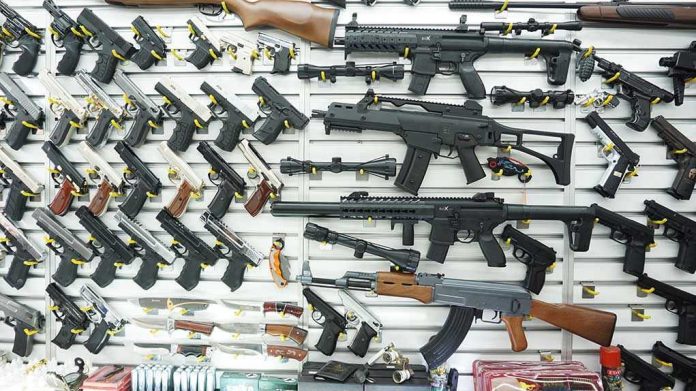
Prime Minister Justin Trudeau’s Liberal government launched its firearms confiscation scheme in May 2020, prohibiting over 1,500 models of what it labeled “assault-style” weapons through executive order, bypassing Parliament. The ban expanded to more than 2,500 models by 2022, targeting common rifles like the AR-15 and Ruger Mini-14 predominantly owned by licensed hunters and sport shooters, not criminals. Officials market the program as a “voluntary buyback,” yet firearms owners face a stark reality: surrender your property by October 31, 2026, or risk criminal prosecution under Canada’s Criminal Code for prohibited weapons possession, carrying penalties up to 10 years imprisonment.
Compliance Collapses as Costs Skyrocket
The program’s autumn 2025 pilot on Cape Breton Island exposed catastrophic dysfunction. Officials expected 200 firearms from registered owners but collected only 25 guns from 16 individuals—a compliance rate below 10 percent. Cost projections simultaneously imploded, ballooning from the government’s initial $400-600 million estimate to approximately $2 billion, while actual expenditures through late 2023 totaled just $41.9 million spent on 60 bureaucratic staff positions. This fiscal disaster mirrors government overreach patterns Americans witnessed under previous administrations, where grandiose confiscation schemes consumed taxpayer dollars while accomplishing little beyond punishing legal gun owners who committed no crimes.
Provincial Resistance Exposes Federal Overreach
By January 2026, all provinces except Quebec refused to provide police resources for the buyback, directly challenging federal authority. This revolt reflects rural Canadians’ recognition that the ban targets lawful firearms owners while ignoring the reality that criminals use illegal guns, not registered hunting rifles. The Canadian Sporting Arms and Ammunition Association, despite “vehemently opposing” the ban, negotiated a Phase 1 contract identifying approximately 11,000 firearms in business inventories, yet representatives expressed confusion over the government’s lack of budget clarity and implementation plans. Provincial sovereignty battles over firearms enforcement parallel American federalism principles, where states rightfully resist unconstitutional federal mandates that trample individual liberty.
Amnesty Deadline Creates Criminal Class from Citizens
The government opened a declaration portal on January 17, 2026, instructing owners of approximately 150,000 to 500,000 affected firearms to register for the buyback before the final October 31, 2026 amnesty deadline. Post-deadline possession transforms otherwise law-abiding citizens into criminals subject to prohibited weapons charges, mirroring tyrannical regimes that criminalize peaceful conduct to expand state control. December 2024 reclassifications added 300-plus firearms to the prohibited list with a November 2025 amnesty, demonstrating the government’s incremental approach to disarmament. Unlike Australia’s 1996-1997 buyback that collected 650,000 guns with broad compliance, Canada’s staggered timeline and provincial resistance expose fundamental differences: Australians faced less rural-urban polarization, while Canadian hunters recognize their firearms pose zero public safety threat compared to urban gang violence fueled by illegally smuggled handguns.
Constitutional Implications for American Gun Owners
Canada’s confiscation scheme provides a cautionary tale for Americans defending Second Amendment rights against incrementalist disarmament campaigns. The Trudeau government’s strategy—executive orders bypassing legislatures, Orwellian “voluntary” language masking criminal penalties, cost explosions, and targeting legal owners while criminals ignore bans—mirrors proposals from gun-control advocates in the United States. The program’s failure demonstrates that registration schemes enable future confiscation, that compliance rates collapse when citizens recognize government overreach, and that provincial or state resistance can obstruct federal tyranny. American patriots must remain vigilant against similar “buyback” euphemisms that disguise mandatory surrender backed by imprisonment, defending the constitutional principle that law-abiding citizens’ property rights and self-defense capabilities cannot be eliminated through bureaucratic fiat or emotional appeals disconnected from crime data showing legal firearms owners are not the problem.
Sources:
May 1, 2024: Canada’s Gun Confiscation Hits Four-Year Milestone – NRA-ILA
Canada Firearms Buyback CSAAA Agreement – Global News
Gun Buyback Program – Wikipedia
Firearms Regulation in Canada – Wikipedia
Firearms Buyback Program – Public Safety Canada
History of Firearms in Canada – RCMP
Firearms Buyback Campaign – Government of Canada
Details of Federal Firearm Buyback Program – North Shore News