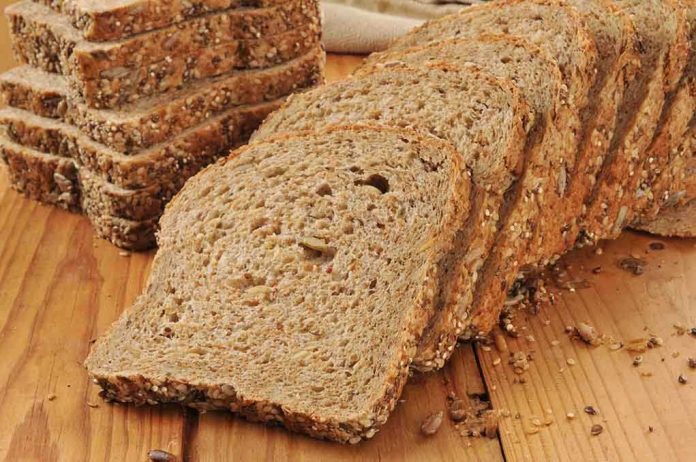
Whole grains promised health salvation, but deceptive labels turned a noble trend into a multimillion-dollar trap fooling half of shoppers into sugary poisons.
Story Snapshot
- 2023 Tufts/NYU study: 29-51% of 1,030 US adults misread labels, picking low-whole-grain breads like “12-grain” (51% error).
- Early 2000s Whole Grains Council stamps on 7,500 products misled via “multigrain” claims hiding refined flour and sugar.
- Manufacturers profit as consumers overlook real benefits like fiber for heart disease and diabetes prevention.
- Vulnerable groups—younger, less-educated, Black/African American—face highest deception rates, worsening obesity epidemic.
- Experts demand percentage labeling; regulatory stagnation persists into 2024 amid GMO wheat approval.
Deceptive Labels Exposed by Science
Tufts University and NYU researchers tested 1,030 US adults in 2023. Participants overestimated whole-grain content in “12-grain” bread by 51% and “honey wheat” by 43%. Error rates hit 29-51% across products. Real whole-grain oats drew accurate identifications. Labels proved misleading and deceptive, researchers concluded. This fueled unhealthy choices amid 42% of US calories from low-quality carbs. Academics like Parke Wilde called these among the worst deceptive labels in food marketing.
Trend Origins in 2000s Dietary Push
US Dietary Guidelines urged half of grains as whole in the 1990s-2000s. Whole grains offer fiber reducing heart disease, diabetes, obesity risks. Intact barley boasts GI of 25; brown rice 48. Yet average intake stays under 1 serving daily due to cost, taste, habits. Refined grains dominate US households by 80%. Wheat consumption peaked at 230 pounds per person yearly in 1870s, surged again with 1970s processed foods. FDA rules allowed vague “whole grain” claims without content quantification.
Stakeholders Driving the Confusion
Food manufacturers like Nestlé and Kingsmill deploy “multigrain” and Whole Grains Council stamps on refined, sugary items—Nestlé cereals hit 25% sugar. The Council endorses 7,500 products, industry-backed with lax standards. Researchers including Jennifer Pomeranz and Fang Fang Zhang prove deception, pushing reforms. Consumer advocates like Real Bread Campaign expose dilutions to 6-19% whole-grain, demanding 50% minimums. FDA and USDA set loose rules, slowed by lobbying; 2024 GMO wheat approval adds complications.
Consumers, especially vulnerable demographics, overestimate healthiness at 43-51% error rates. They seek affordable protection against chronic diseases but grab imposters. Facts align with common sense: personal responsibility demands label scrutiny, but regulatory gaps enable corporate overreach undermining family health—a conservative priority.
Persistent Impacts on Health and Trust
Short-term, shoppers select high-sugar cereals missing fiber benefits, worsening diet quality. Long-term, this perpetuates obesity, heart disease, diabetes; erodes label trust. Vulnerable low-income and minority groups suffer most from cost barriers and marketing ploys. Manufacturers reap economic gains; studies offer lawsuit ammunition. Whole-grain adoption stalls despite gut health proofs. Bakery sectors face scrutiny; authentic standards could raise prices but deliver value.
https://music.youtube.com/podcast/0ocd9aNdM5o
Whole Grains Council defends with myth-busting: grains fight inflammation, maintain low GI. Dietitians urge “100% whole grain” over multi-grain. Critics like Pomeranz note even experts falter. Advocates decry additives; neutral voices cite taste hurdles. Peer-reviewed academics carry most weight—deception undeniable, benefits real if labels clarify.
Sources:
Whole grain labels are “misleading and deceptive”, study finds
Bakers under fire once more in wholegrain
Whole grains: Why are they so difficult to eat?
Staying Healthy: Whole Grain Skepticism