

A viral Epstein-era smear just showed how fast AI-fueled rumors can ricochet through conservative media—and how quickly they can boomerang into legal and diplomatic blowback.
Story Snapshot
- Tucker Carlson said in a widely viewed interview that Israeli President Isaac Herzog visited Jeffrey Epstein’s private island, but multiple reports found no evidence for the claim.
- U.S. Ambassador Mike Huckabee rejected the allegation and later warned the line of questioning could invite libel litigation once the claim proved false.
- Reports said the rumor ecosystem around the Epstein files has been supercharged by AI-generated fakes, including fabricated images involving Herzog.
- The episode spotlighted a growing rift on the right over Israel—while also underscoring the need for verifiable sourcing before amplifying explosive accusations.
Carlson’s Claim, Huckabee’s Pushback, and the Missing Evidence
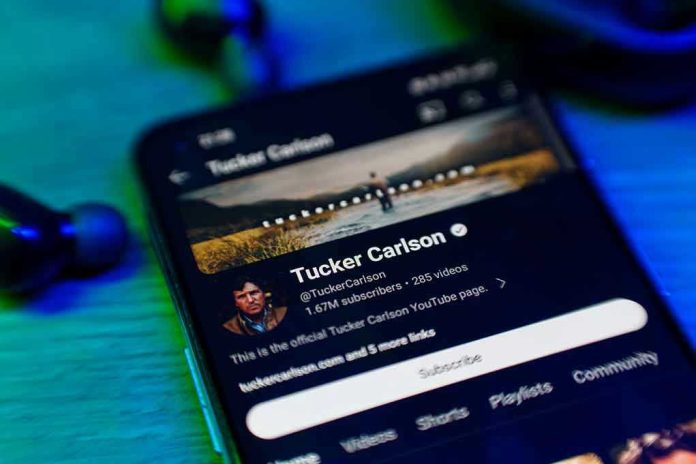
Tucker Carlson used a filmed conversation in Israel with U.S. Ambassador Mike Huckabee to press an allegation that Israeli President Isaac Herzog had visited Jeffrey Epstein’s private island. Reports said Carlson presented it as if documentation existed, but did not produce evidence during the exchange. Huckabee responded that he had no knowledge of any such connection. Soon after, Huckabee publicly criticized the allegation as potentially libelous once he learned it was false.
Reporting on the controversy emphasized a key verification point: Herzog’s name surfaced in Epstein-related material only in the limited sense of emails that referenced news articles, not records of travel, meetings, or a personal relationship. That distinction matters because the accusation involved a specific, reputationally devastating claim tied to a defined location. Without receipts—flight logs, witness testimony, or credible documentation—the allegation remains unsupported, even if it spreads quickly online.
How Epstein File “Releases” Became Fertile Ground for Disinformation
Jeffrey Epstein’s crimes and elite connections remain a legitimate public concern, and new document dumps routinely reignite scrutiny. But the same reporting also warned that recent waves of Epstein-related discussion have carried a heavy load of fabricated or misleading content. After releases in early 2026, AI-generated images falsely depicting Herzog with Epstein or Ghislaine Maxwell circulated online. That kind of synthetic media can feel “proof-like” to casual viewers while being entirely fictional.
Several accounts linked the renewed Israel-Epstein conspiracy cycle to long-running claims about intelligence ties—claims that have repeatedly been described as discredited and sometimes rooted in antisemitic tropes. One cited figure associated with pushing those narratives was described in coverage as lacking credibility. The broader takeaway is not that powerful people should be shielded from investigation, but that serious allegations demand standards: verifiable documents, credible witnesses, and transparent sourcing, not viral images and anonymous insinuation.
Diplomacy Meets Influencer Media in the Middle of a Conservative Split
The setting also mattered. Carlson’s interview with Huckabee took place during Carlson’s trip to Israel, and coverage noted Carlson described routine airport security screening as an “interrogation,” a characterization disputed as standard procedure. Huckabee, serving as the U.S. ambassador, was put in the position of answering an inflammatory claim about a foreign head of state while representing American interests. That imbalance—podcast virality versus diplomatic duty—helped drive the tension.
Politically, the episode highlighted fractures inside the American right over Israel policy and rhetoric. Carlson’s line of questioning was tied in reports to broader claims about Israel’s role in U.S. foreign policy debates, while Huckabee’s posture reflected a pro-Israel stance and a desire to keep the relationship steady. Conservatives who value strong alliances and credible governance can recognize the difference between tough, evidence-based criticism and accusations that collapse under basic fact-checking.
Why This Matters for Constitutional Conservatives Watching Media Power
For Americans who spent years watching institutions push “approved narratives” while censoring dissent, it’s understandable to distrust gatekeepers. But this story illustrates the flip side: when independent media adopts weak sourcing, it hands ammunition to the same establishment forces that want broader speech controls. If high-profile voices amplify demonstrably false claims, the predictable result is more calls for platform crackdowns, “misinformation” task forces, and other forms of soft censorship.
The reports around this controversy did not establish a clear, on-the-record apology from Carlson in the original coverage describing the interview and its fallout, though later social posts claimed an apology occurred. What is clear in the sourced reporting is the core factual dispute: the Herzog “Epstein island” allegation was described as baseless, and Huckabee warned it could lead to libel exposure. In an era of AI fakes and algorithmic outrage, verification is the conservative self-defense tool.
Sources:
Tucker Carlson falsely claims Herzog visited Epstein island
Clickbait Conspiracies and a Fake Photo: The Times’ Epstein-Mossad Debacle
Mike Huckabee warns Tucker Carlson’s claims could be “the stuff of libel lawsuits”
Tucker Carlson falsely says Herzog visited Epstein island in interview with US envoy