

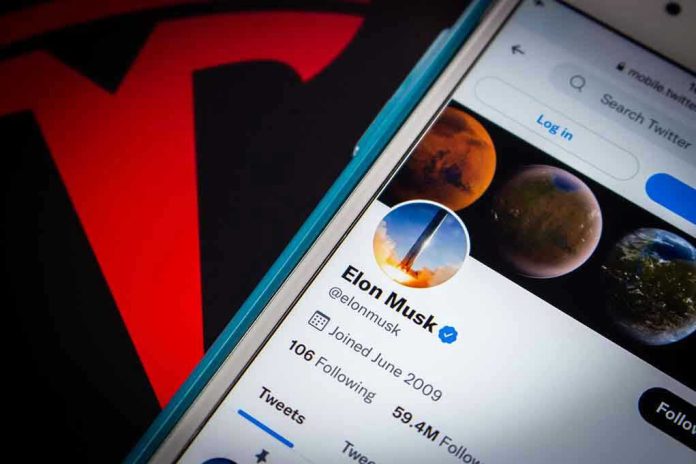
A single viral accusation from Elon Musk has now escalated into a potential international legal fight—right as Mexico claims a major win against one of its most violent cartels.
Quick Take
- Mexican President Claudia Sheinbaum says her government is reviewing legal action after Elon Musk amplified an allegation that she is controlled by cartels.
- Musk’s comment responded to an older clip of Sheinbaum criticizing an all-out “war on narcos” as unlawful, reviving debate over Mexico’s cartel strategy.
- Mexican officials argue the controversy distracts from a recent, high-profile operation that reportedly killed CJNG leader “El Mencho,” carried out with U.S. aid.
- No lawsuit had been filed as of Feb. 24, 2026, and Musk had not publicly followed up beyond the initial post.
What Musk Posted—and Why Mexico Is Talking Lawsuits
Elon Musk triggered the dispute on Feb. 23, 2026, when he replied on X to a post featuring an older video clip of Mexican President Claudia Sheinbaum. In that exchange, Musk agreed with a user’s claim that Sheinbaum was a “cartel plant,” adding that she takes directions from “cartel bosses” and implying consequences for disobedience. By Feb. 24, Sheinbaum said her lawyers were reviewing options and called the accusation “absurd.”
Sheinbaum addressed the controversy in a press setting, signaling the issue was serious enough to consider formal legal steps, even while she publicly mocked the claim as something she could “laugh” at. That combination—legal review plus rhetorical dismissal—shows a government trying to deter future allegations without turning the story into a prolonged spectacle. As of the latest reporting in the provided research, no complaint had been filed and Musk’s companies had not issued statements.
The Recirculated Clip, “Hugs Not Bullets,” and the Real Policy Dispute
The reposted video that helped ignite the backlash reportedly came from the prior year and showed Sheinbaum arguing that a full-blown “war against the narco” falls outside the law. That clip dovetails with the MORENA movement’s long-running preference for a less militarized posture often summarized as “abrazos no balazos” (“hugs not bullets”). Critics see that brand as too soft on organized crime, while supporters present it as legality-first governance rather than open-ended internal warfare.
For American readers, the underlying concern is practical: U.S. border security and domestic fentanyl deaths hinge on whether Mexico can dismantle cartel networks, not whether social-media influencers can score points in a viral thread. The research provided does not supply evidence for Musk’s cartel-control claim, and the reporting frames it as an unsubstantiated allegation. That matters because serious corruption claims require documentation, not innuendo—especially when the stakes include bilateral security cooperation.
Why Mexican Officials Say the Timing Is Convenient
Mexican officials pushed back by emphasizing what they described as a major anti-cartel success just days earlier. Over the weekend preceding Musk’s Feb. 23 post, Mexican security forces—supported by U.S. assistance—reportedly killed Nemesio Rubén Oseguera Cervantes, known as “El Mencho,” the head of the Cartel de Jalisco Nueva Generación (CJNG). Mexican authorities and the country’s U.S. embassy highlighted that operation to argue the viral controversy was recycling old material to overshadow current enforcement.
The research also points to the wider U.S.-Mexico blame game over cartel firepower. It cites a prior seizure of nearly 25,000 cartel weapons, with a large share described as U.S.-sourced. That detail underscores a reality conservatives have pressed for years: American communities are hit from both directions—cartels moving drugs north while weapons and cash flow south—yet Washington’s policy failures too often treat the border like an abstract talking point instead of a national-security system that must be controlled.
Platform Power, Diplomatic Risk, and the Misinformation Problem
This episode highlights how a platform owner’s personal commentary can spill into state-to-state friction. Musk’s reach means even a short reply can shape narratives beyond U.S. politics, and Mexico’s threat of legal action raises the possibility of cross-border defamation fights aimed at tech figures rather than newspapers or broadcasters. The provided sources also note Musk’s prior controversies involving disputed claims and inflammatory posts, adding context for why foreign governments may respond aggressively.
From a constitutional perspective, Americans should separate two issues: the U.S. commitment to free expression at home, and foreign leaders using litigation threats to police criticism. The research does not detail what jurisdiction or legal theory Mexico would use, and it is unclear how such a case would play out against a U.S.-based speaker. What is clear is that public officials and private citizens alike benefit when serious accusations are handled with evidence, not viral speculation.
For now, the facts remain narrow: Sheinbaum says lawyers are reviewing options; a major cartel leader’s reported death is being used as political context; and Musk has not publicly added evidence to support his insinuation. Until more documentation emerges—either a filed lawsuit or substantiated proof behind the claim—this story is less about a verified scandal and more about the combustible mix of cartel violence, border pressures, and social-media influence shaping international headlines.
Sources:
Mexico Threatens Legal Action Against Elon Musk After Cartel Comment
Why is Mexico considering legal action against Elon Musk