When a single juror becomes the story, the justice system runs headlong into a modern dilemma: our appetite for transparency collides with the promise that ordinary citizens can deliberate without fear of exposure, intimidation, or retroactive character prosecution. The Lindsay Clancy mistrial—and the media’s rapid excavation of the holdout juror’s background—shows how quickly that collision can erode trust in verdicts, in press ethics, and in the civic duty of jury service.
At a Glance
- The Clancy jury deadlocked after days of deliberation; a mistrial followed, and several jurors publicly criticized the lone holdout’s reasoning.
- Newsrooms investigated and reported on court records tied to the holdout juror, shifting the spotlight from evidence to a private citizen’s past.
- Nothing in the record shows fabrication; the controversy is about propriety, timing, and consequences, not falsity.
- The case exposes a widening gap between legal norms around juror anonymity and the social-media era’s expectation of total transparency.
What Actually Happened: A Deadlock, A Spotlight, and a Records-Based Reveal
The trial ended not with a verdict but with a formal mistrial after the judge concluded the jury was hopelessly deadlocked and rejected an attempt to remove the dissenting juror. On the record, the court noted that the note complaining about the holdout did not show a refusal to follow the law, a critical line the judge would have needed to cross to substitute an alternate. That public act—an open-court acknowledgment of an 11–1 impasse—guaranteed the holdout would become central to the story that followed.
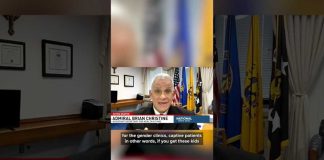
Within days, multiple jurors went on camera. Juror Nick D’Argy said the holdout never tied his vote to concrete trial evidence or witness testimony, a claim that—if accurate—explains the exasperation inside the room but cannot, by itself, invalidate a juror’s reasonable doubt. Still, the specificity of those media interviews gave the narrative internal propulsion: the holdout wasn’t merely unconvinced; he allegedly couldn’t articulate why in evidentiary terms.
The Media’s Counter: Transparency, Public Records, and a High-Profile Case
Newsrooms framed their follow-on reporting as public-interest work. NBC Boston said its investigators found court documents and spoke with family members, tying the holdout juror to prior domestic-violence allegations, a 2021 assault charge, and an active restraining order—facts they characterized as drawn from records, not rumor. Notably, the outlet said it would not identify him by name at that time, citing his choice not to speak and an impounded juror list.
That posture matters. The dispute here is not over fabricated material. No source in the record shows falsehoods or malicious invention; the argument is whether it was appropriate—ethically and prudentially—to excavate and publish a juror’s sensitive history during the volatile aftermath of a mistrial. In other words, the case against the coverage sounds in news judgment, not defamation. Meanwhile, the foreperson’s separate account—saying the holdout admitted reasonable doubt but refused an insanity verdict—reinforced the story’s heat and pulled more attention toward the juror himself.
Mechanism and Norms: How Juror Anonymity Works—and Fails—in Practice
American courts manage juror privacy unevenly. Some jurisdictions shield identities throughout trial and after; others view names as presumptively public, moderated by safety concerns. National court-administration guidance acknowledges a spectrum of practices, from full anonymity to partial disclosure with time limits. As high-profile trials collide with social media and instant records search, judges increasingly restrict access to names or delay release to protect juror welfare and the integrity of deliberations.
That framework clarifies the Clancy dynamic. The jury list was impounded, at least temporarily, but parallel records—protective orders, criminal dockets—were still accessible, and skilled reporters could triangulate identity without a public juror roster. Once the story became not just “a deadlocked jury” but “what happened inside, and who held out,” the legal privacy perimeter shrank in practical effect. The result was predictable: even restrained choices by one newsroom could prime an ecosystem in which social accounts and commentary channels circulate names and allegations at scale.
Where the Real Disagreement Lies: Duty to Inform vs. Duty to Protect Civic Participants
Two coherent values are in tension. On one side is a press obligation to illuminate why a community’s most consequential trials end as they do. A juror whose conduct or reasoning arguably deviates from instructions becomes part of that public-interest story; contemporaneous, records-based reporting is defensible on transparency grounds, and nothing in the dossier contradicts that the outlets relied on documents and interviews rather than speculation.
On the other side is the republic’s reliance on lay jurors who serve without expectation of post hoc reputational audits. A holdout’s dissent is not misconduct; it is a structural feature of unanimity. Turning that dissent into a scavenger hunt through personal history—especially in a case involving dead children, fierce public passions, and ongoing prosecutorial decisions—risks chilling future jurors, skewing deliberations toward the majority, and incentivizing conformity over conscience. The trial judge’s statement that the complaint note did not show refusal to follow the law underscores this point: disagreement is not dereliction.
The Information Deficit Problem: When Missing Evidence Warps the Public Narrative
This case also suffered from a vacuum around key exhibits, most notably the 911 call that several jurors described as searing. D’Argy asserted that if the public could hear it, sentiment would shift—a telling reminder that outside audiences often adjudicate juror integrity without access to the same evidentiary record. The judge, appropriately, declined public release; that choice preserves trial integrity at the expense of public comprehension and, inadvertently, helps move attention toward personalities over proof.
In such vacuums, post-verdict interviews do double duty: they are both transparency and narrative construction. The more jurors emphasized the holdout’s opacity, the more oxygen flowed to identifying him—and the more space opened for records-based reporting to redefine the person rather than the deliberation as the fulcrum.
The lone holdout in the Lindsay Clancy trial has become the center of a massive online argument after it was revealed that he was the only Black juror on the panel.
After weeks of testimony surrounding Clancy's mental state when she killed her three children, the jury… pic.twitter.com/Q0BrGisHCB
— Stan Price (@stanprice) September 12, 2026
What Sensible Reform Looks Like
Three reforms are workable without sacrificing openness where it matters most. First, time-gated anonymity: withhold juror identities for a defined cooling-off period after verdicts or mistrials in cases likely to inflame passions. This is common in other high-profile contexts and rests on the court’s recognized authority to protect juror welfare and the administration of justice. Second, scope-of-coverage norms: newsrooms should distinguish between reporting on juror conduct that bears on legal compliance—refusal to deliberate, exposure to external information—and mining unrelated personal history that risks suggesting retroactive disqualification by biography rather than by record evidence. Third, judicial clarity: when courts decline to remove a juror, they should, where possible, state the legal threshold not met—refusal to follow instructions versus mere disagreement—so the public understands the difference between dissent and misconduct.
The Bottom Line
Nothing in this record proves a smear; the reporting appears grounded in documents and on-record interviews. But that does not settle the harder question: whether it was wise—or healthy for the jury system—to convert a lawful dissent inside the jury room into a public referendum on a private citizen’s past. Unanimity only works if one juror can say “no” without expecting a media inquest to follow. If we want juries that reason rather than conform, we have to protect the space for dissent, even when the case is harrowing and the community wants answers now.
Sources:
twitchy.com, nbcboston.com, youtube.com, abcnews.com, today.com