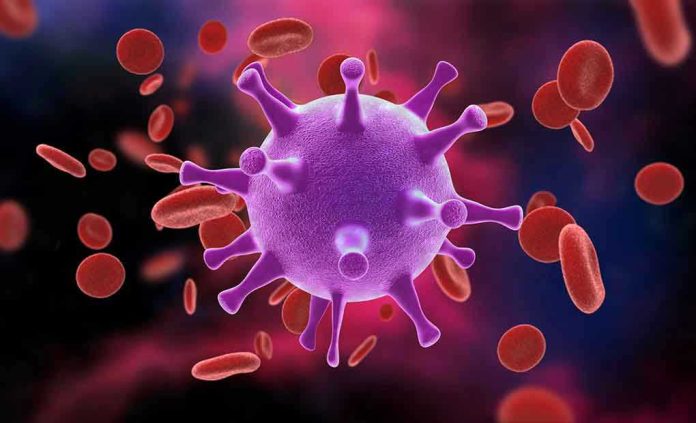
A conservative watchdog group just filed a lawsuit demanding the Pentagon come clean about what it knew—and funded—regarding dangerous coronavirus research before the pandemic ever started.
Story Snapshot
- Judicial Watch sued the Department of Defense on February 11, 2026, seeking records of gain-of-function research proposals submitted to DARPA before December 2019
- The lawsuit targets documents about the DEFUSE project, a 2018 proposal by EcoHealth Alliance and the Wuhan Institute of Virology to engineer coronaviruses with a furin cleavage site remarkably similar to SARS-CoV-2
- The DoD ignored Judicial Watch’s November 2025 FOIA request, forcing litigation in U.S. District Court for the District of Columbia
- This marks the first focused legal effort to expose potential U.S. military involvement in pre-pandemic virus modification research that may have preceded COVID-19
The DEFUSE Project: A Blueprint for Disaster
DARPA rejected the DEFUSE project in 2018, but its emergence through leaked documents sparked a firestorm. EcoHealth Alliance and the Wuhan Institute of Virology proposed inserting a furin cleavage site into bat coronaviruses, creating a chimeric virus. This technical feature became notorious because SARS-CoV-2 contains precisely such a furin cleavage site, a characteristic absent in closely related natural coronaviruses. The proposal requested funding under DARPA’s PREEMPT program, designed to predict and prevent pandemic threats. Instead, critics argue, it may have created a blueprint for one.
When Biodefense Becomes Bio-Risk
Gain-of-function research walks a precarious tightrope. Scientists enhance pathogen transmissibility or lethality, ostensibly to anticipate future threats and develop countermeasures. Yet the U.S. government paused such research from 2014 to 2017 over safety concerns, recognizing the obvious danger of making viruses deadlier in laboratories. DARPA’s PREEMPT program resumed funding high-risk virology around 2017, evaluating proposals like DEFUSE to modify bat coronaviruses. The question now: how many other risky proposals were circulating through Pentagon pipelines before COVID-19 emerged in Wuhan?
Judicial Watch President Tom Fitton framed the stakes bluntly. He stated that gain-of-function proposals likely sat active in Defense Department channels before the pandemic, and the lawsuit aims to uncover exactly what those proposals entailed. The November 2025 FOIA request went unanswered, prompting the February 2026 lawsuit. No documents have surfaced, no court rulings issued, and the DoD remains silent. That silence, to transparency advocates, screams louder than any leaked email ever could.
EcoHealth Alliance and the Wuhan Connection
EcoHealth Alliance sits at the nexus of controversy surrounding COVID-19 origins. The nonprofit funneled U.S. taxpayer dollars to the Wuhan Institute of Virology through grants from the National Institutes of Health and proposed collaborations with DARPA. Its president, Peter Daszak, championed research on bat coronaviruses with Chinese scientists, work that included experiments manipulating viral genetics. FBI records obtained by Judicial Watch in 2024 labeled NIAID grants to WIV as gain-of-function research, contradicting years of denials from public health officials. The DEFUSE proposal adds another layer, suggesting military funding channels also targeted Wuhan for virus engineering.
A Pattern of Government Stonewalling
This lawsuit fits a broader pattern. Judicial Watch has spent years prying COVID-related documents from federal agencies through FOIA litigation. In 2024, it secured FBI emails discussing gain-of-function work tied to Dr. Anthony Fauci and the Wuhan lab. In 2025, it sued the DoD over military personnel exhibiting COVID symptoms at the Wuhan Military World Games in October 2019, weeks before the official outbreak. Separately, it pursued HHS records on vaccine mandates. Each lawsuit exposed agencies dragging their feet, redacting aggressively, or ignoring requests outright. The current case targeting DARPA continues this theme, with the Pentagon refusing to respond for three months before litigation forced its hand.
The power imbalance favors the government. DARPA holds classified biodefense records, shielded behind national security claims. Judicial Watch wields FOIA statutes, but those laws grant agencies wide latitude to delay or deny. The docket for case number 1:26-cv-00433 shows no rulings yet, leaving the public waiting for a judge to compel disclosure. A related Judicial Watch FOIA suit against the DoD, filed February 20, 2026, suggests a multi-pronged strategy to crack open Pentagon vaults on pandemic origins.
What Transparency Could Reveal
If the lawsuit succeeds, released records might detail rejected gain-of-function proposals circulating through DARPA before December 2019. Such documents could name researchers, specify virus modifications, and reveal risk assessments. They might confirm whether DEFUSE-style furin site engineering appeared in other bids, strengthening the lab-leak hypothesis. Alternatively, records could show DARPA rigorously vetted and rejected dangerous proposals, countering suspicions of reckless funding. Either way, sunlight would disinfect years of speculation. Long-term, forced disclosure could pressure Congress to overhaul biodefense funding oversight, tightening restrictions on gain-of-function grants and demanding transparency that agencies currently resist.
The broader implications extend beyond virology. Public trust in federal health and defense agencies eroded sharply during the pandemic, fueled by inconsistent messaging, censorship allegations, and stonewalled records requests. Every delayed FOIA response deepens cynicism that officials prioritize self-protection over accountability. Politically, the lawsuit energizes calls for investigation into U.S.-funded research in Wuhan, a rallying cry for conservatives demanding answers on COVID origins. Socially, it underscores a chasm between citizens seeking truth and bureaucracies circling wagons. Economically, revelations of mismanaged biodefense funding could trigger budget cuts, reshaping pandemic preparedness research.
The Lab Leak Hypothesis Gains Ground
For years, mainstream institutions dismissed the lab-leak theory as conspiracy. Yet mounting evidence shifted the debate. The DEFUSE proposal’s furin cleavage site engineering mirrors SARS-CoV-2’s unique feature. The Wuhan Institute of Virology conducted bat coronavirus research with U.S. funding in a city where the outbreak began. NIH flagged WIV compliance concerns as early as 2016. Leaked intelligence suggested sick WIV researchers sought hospital care in late 2019. This lawsuit adds pressure, targeting the military’s role in funding risky research pre-pandemic. If DARPA records expose additional proposals to engineer pandemic-capable pathogens, the lab-leak hypothesis transitions from fringe theory to documented possibility.
Common Sense Meets National Security Theater
Americans deserve straightforward answers. Did the Pentagon fund research that could have sparked a pandemic killing millions? If so, who approved it, and what safeguards failed? If not, why stonewall a FOIA request asking for proposals rejected before COVID-19 existed? National security exemptions exist for legitimate classified information, but transparency advocates argue agencies abuse those carve-outs to hide embarrassment, not secrets. The DoD’s silence on DEFUSE-related records fuels suspicion that something damning lurks in DARPA files. Common sense suggests sunlight, not secrecy, serves the public interest when billions of lives and trillions of dollars hang in the balance of understanding pandemic origins.
Judicial Watch’s track record lends credibility to its persistence. It uncovered FBI acknowledgment of gain-of-function work, military COVID symptoms in Wuhan before the official outbreak, and HHS vaccine mandate machinations. Critics dismiss the group as partisan, yet its FOIA victories withstand court scrutiny, forcing agencies to cough up documents they’d rather bury. This lawsuit, though early stage, applies proven pressure to a Pentagon that prefers operating in shadows. Whether courts compel disclosure remains uncertain, but the filing itself spotlights questions federal agencies hoped would fade.
Sources:
Judicial Watch Sues Defense Dept for Gain-of-Function Records Predating Covid-19
Judicial Watch Inc. v. U.S. Department of Defense – Justia Dockets
Judicial Watch Inc. v. US Department of Defense – CourtListener
Judicial Watch Inc. v. U.S. Department of Defense – Related Case Docket