Nine people died in the deadliest avalanche in modern California history, and the tragedy exposes uncomfortable questions about when pursuing adventure crosses into fatal miscalculation.
Story Snapshot
- A football field-sized avalanche killed nine people, including three professional guides, during a guided backcountry skiing expedition near Lake Tahoe on February 17, 2026
- The group of 15 skiers was attempting to navigate home through a severe blizzard when disaster struck in the Castle Peak wilderness
- Six survivors used emergency beacons and iPhone SOS features to contact rescuers, demonstrating the critical importance of safety equipment
- Most victims were Bay Area women who knew each other through their children’s attendance at Sugar Bowl ski area
- The incident has intensified scrutiny of guide service decision-making during severe weather conditions
When Experience Meets Catastrophe
The group wasn’t composed of reckless thrill-seekers. These were educated, equipped skiers with professional guides from Blackbird Mountain Guides leading them through terrain they understood carried risks. They had emergency beacons. They had communication devices. They had experience. What they encountered on that Tuesday morning was an avalanche the size of a football field that swept down a steep, avalanche-prone slope while they struggled home through blinding snow. Six people survived to tell the story. Nine others, including three guides who made their living reading mountains, did not.
The Treacherous Mathematics of Mountain Safety
Steve Mace, director of the Eastern Sierra Avalanche Center, explained the cruel deception that backcountry skiing presents. Skiers receive what he calls unreliable positive feedback. They traverse dangerous slopes multiple times in varying conditions and emerge unscathed, building confidence that may be entirely unwarranted. Success doesn’t validate their decisions; it may simply reflect dumb luck. Mace noted there are a million reasons an avalanche might not release on any given day, and past success means nothing about future risk. This creates what Mace characterized as a very harsh learning environment where the difference between wisdom and foolishness only becomes apparent after catastrophe strikes.
The Guide Service Question Nobody Wants to Answer
Blackbird Mountain Guides had taken clients into storms before. That single fact hangs over this tragedy like the avalanche cloud itself. Were previous successful trips evidence of sound judgment or merely lucky outcomes? The Castle Peak region explicitly warns on its website that all routes involve avalanche terrain requiring appropriate education and safety equipment. The warnings were posted. The risks were known. A major storm was approaching. Yet the expedition proceeded. Mace himself went into the same storm to collect forecast data, suggesting the decision wasn’t inherently reckless. But Mace went alone, risking only himself, while guides led paying clients including mothers with children waiting at home.
The Growing Appetite for Backcountry Risk
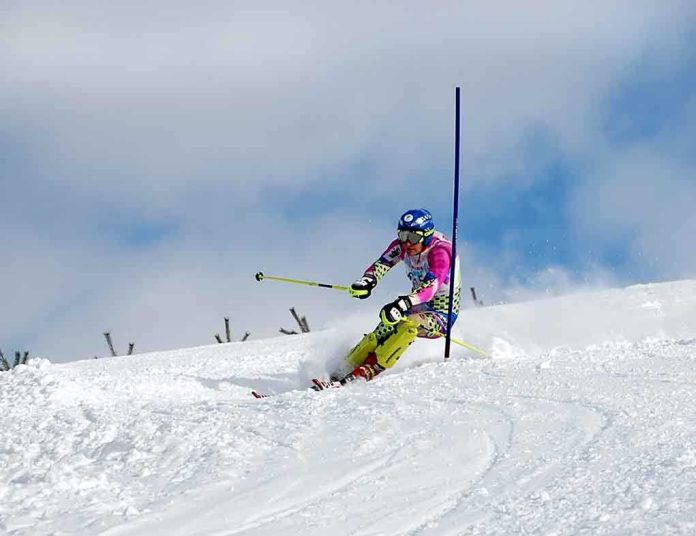
Backcountry skiing was once an extremely niche sport practiced by a small community of hardcore enthusiasts. That’s changing rapidly. Crowded resort lift lines, expensive lift tickets, and the allure of untracked powder are driving growing numbers of skiers into the backcountry. These newcomers often lack the accumulated wisdom that comes from years of reading snow conditions, understanding avalanche science, and developing the judgment to turn back when conditions deteriorate. The sport’s expansion means more people are exposing themselves to risks they may not fully comprehend, guided by professionals whose liability extends beyond their own survival to the lives entrusted to their care.
What the Victims Left Behind
Caroline Tocarve was a technology consultant and mother of two from San Francisco. Liz Claiborne worked as a labor and delivery nurse. Vitta was a former Sirius Radio executive and mother of two. Kerry Back, a former corporate executive, also left behind two children. These weren’t adrenaline junkies seeking extreme thrills. They were accomplished professionals seeking the solitude and beauty that backcountry skiing offers, the kind of experience that justifies the expense of hiring professional guides. They trusted those guides to keep them safe. Their families now face the impossible task of explaining to children why mother went skiing and never came home, why the guides couldn’t prevent the unpreventable, why passion and risk walked hand in hand until the mountain made its final decision.
The Fine Line Nobody Can Draw
Mace’s assessment captures the impossible calculus that backcountry skiers and their guides face: there’s sometimes a fine line between pursuing your passion and mitigating risk. He didn’t accuse the group of being uninformed or reckless. He acknowledged they were educated about the risks they faced. But education doesn’t control mountains. Experience doesn’t prevent avalanches. Emergency beacons save survivors but don’t resurrect the dead. The six who survived will live with memories of that football field of snow descending. The nine who died were buried in terrain they knew was dangerous, during a storm they knew was severe, with guides they trusted to make the right call. Recovery crews worked through hazardous conditions for days to bring their bodies home, a grim testament to how backcountry skiing’s harsh learning environment sometimes teaches lessons no one survives to apply.
Sources:
KQED News: Tahoe Avalanche Backcountry Details – Castle Peak, Frog Lake, Donner Summit Weather
Los Angeles Times: Perils and Pleasures of Backcountry Skiing – Why Some Take the Risk