Mexico skillfully navigates a diplomatic minefield with the U.S., asserting its sovereignty while collaborating on security.
Story Highlights
- Mexican President Claudia Sheinbaum firmly rejects U.S. military intervention.
- Sheinbaum and Trump engage in a productive call centered on security cooperation.
- Mexico emphasizes its sovereignty and progress against cartels.
- Upcoming security talks aim to enhance collaboration without compromising Mexico’s autonomy.
Mexico’s Diplomatic Dance with the U.S.
On January 12, 2026, Mexican President Claudia Sheinbaum and U.S. President Donald Trump engaged in a 15-minute phone call, with Sheinbaum describing the conversation as “very good” and respectful. The call came after Trump suggested potential military strikes against Mexican drug cartels, a proposal Sheinbaum firmly rejected. Instead, she emphasized Mexico’s sovereignty and ongoing cooperation with the U.S. to combat drug trafficking. Sheinbaum’s stance highlights a strategic effort to maintain positive relations while asserting Mexico’s independence in handling its internal issues.
The conversation followed a tense period marked by Trump’s threats of ground strikes against cartels, reminiscent of recent U.S. military actions in Venezuela. This aggressive rhetoric was met with condemnation from Sheinbaum, who pledged to strengthen communication with the U.S. to address these security challenges collaboratively. The call was scheduled just before Sheinbaum’s morning press conference, where she reiterated Mexico’s progress in reducing homicides, seizing fentanyl, and dismantling drug labs, effectively countering Trump’s narrative of cartel dominance.
U.S.-Mexico Security Dynamics
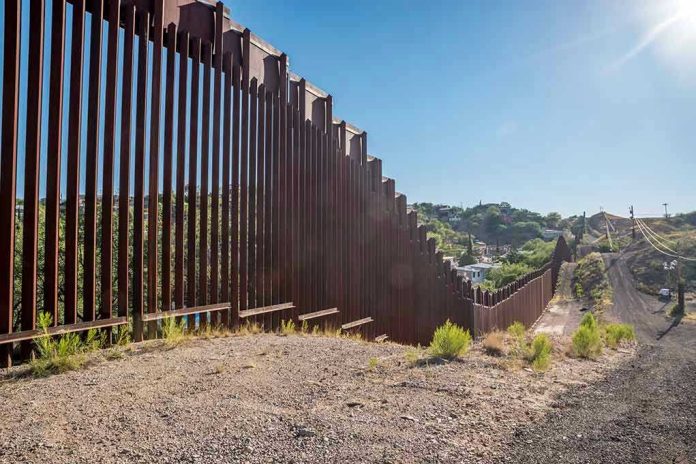
The Sheinbaum-Trump call is set against a backdrop of complex U.S.-Mexico security ties, rooted in the Mérida Initiative of 2008, which provided U.S. aid for Mexican anti-cartel efforts. Over the years, tensions have persisted due to issues like fentanyl trafficking, cartel violence, and U.S. demands for more decisive action. Trump’s rhetoric from his first term, including tariff threats and demands for a border wall, had already strained relations. His recent comments echo past claims that cartels effectively control Mexico, a narrative Sheinbaum aims to dispel by highlighting her country’s achievements in combating these criminal organizations.
The current diplomatic landscape also includes the upcoming USMCA review and a trilateral meeting involving Mexico, the U.S., and Canada. This context underscores the economic interdependence that Mexico leverages to counterbalance U.S. interventionist tendencies. By framing Mexico as an equal partner capable of independent action, Sheinbaum seeks to maintain sovereignty while still addressing mutual security concerns.
Key Stakeholders in the Dialogue
Primary figures in this diplomatic exchange include Mexican President Claudia Sheinbaum, who has taken a firm stance against U.S. military intervention, and U.S. President Donald Trump, who has proposed military aid and action against cartels. The Mexican Foreign Secretary, Juan Ramón de la Fuente, and U.S. Secretary of State Marco Rubio are also pivotal, as they facilitate discussions on border security and cartel cooperation. The drug cartels, particularly the Sinaloa and Jalisco New Generation cartels, remain central targets of these efforts, with the U.S. viewing them as major threats requiring decisive action.
Sheinbaum’s diplomatic approach reflects a broader strategy of defending Mexico’s sovereignty while engaging in productive dialogue with the U.S. This strategy is not only about rejecting foreign intervention but also about asserting Mexico’s capability to handle its security challenges effectively. By presenting data on reduced crime rates and successful drug seizures, Sheinbaum aims to substantiate her government’s progress and commitment to tackling cartels independently.
Upcoming Security Talks and Their Implications
The phone call between Sheinbaum and Trump sets the stage for the upcoming bilateral security meeting scheduled for January 22-23. This meeting is expected to further solidify the cooperative framework between the two nations, focusing on shared security goals without compromising Mexico’s autonomy. The talks aim to build on the positive momentum from the phone call, emphasizing collaboration over unilateral action.
In the short term, this diplomatic success bolsters Sheinbaum’s domestic image as a strong defender of national sovereignty while averting immediate U.S. military intervention. In the long term, it tests the stability of the USMCA amid ongoing tariff disputes and pressures for Mexican reforms. The outcome of these talks could significantly impact U.S.-Mexico relations, particularly in areas of security and trade.