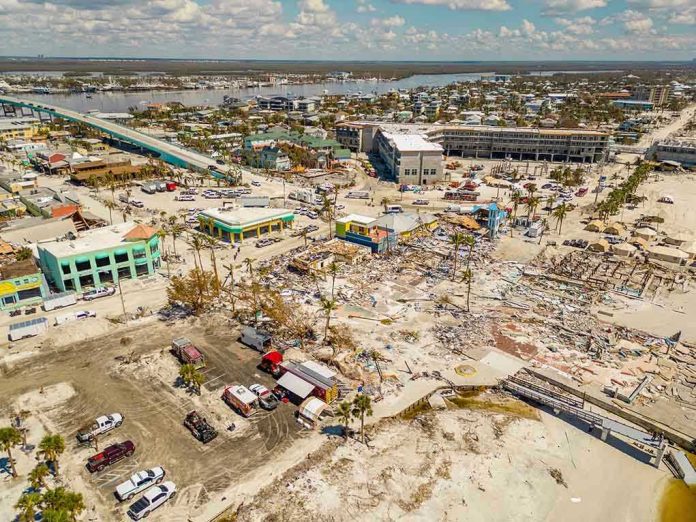
Are popular vacation spots in Spain becoming hazardous due to unexpected natural disasters?
Story Overview
- Sudden floods in southern Spain leave three people missing in tourist-heavy Andalusia.
- Heavy rains disrupt travel and raise safety concerns during peak holiday season.
- Authorities and rescue operations are actively searching for missing individuals.
- New storm threats loom as weather temporarily stabilizes.
Sudden Flooding in Southern Spain
Heavy rainfall has triggered severe flooding in southern Spain, specifically in the region of Andalusia, a favorite among tourists. The intense downpours have resulted in three individuals going missing, while authorities scramble to mitigate the disruptions in this major tourist region. This incident highlights the vulnerability of tourist infrastructures to extreme weather events, especially during the busy holiday season when travel is at its peak.
The flash flooding has left roads, airports, and accommodations in disarray, catching both locals and visitors off guard. Emergency services are on high alert, with rescue teams including the Civil Guard and firefighters working tirelessly to locate the missing individuals. As the weather temporarily stabilizes, attention turns to the forecast of another storm expected to hit the region shortly.
Historical Context of Andalusian Floods
Andalusia, known for its Mediterranean climate, is no stranger to flash floods. The region’s steep terrain and urban development in coastal zones exacerbate the risk during the rainy season. This year’s severe weather patterns align with broader climate change trends that have increased the intensity of such natural disasters. The widespread impact of these floods on tourism underscores the need for robust infrastructure and emergency planning.
Despite the immediate challenges, Andalusia’s experience with floods is not new. Past incidents, such as the devastating Valencia floods in 2024, which claimed over 200 lives, serve as grim reminders of the potential for disaster. However, the current situation, with no confirmed fatalities, offers a glimmer of hope as rescue efforts continue.
Impact on Tourism and Local Economy
The flooding has significant implications for the local economy, particularly the tourism sector, which is crucial for Andalusia. With travel advisories in place and ongoing disruptions, hotels, airlines, and tour operators are grappling with cancellations and safety concerns. The potential economic loss is substantial, especially given the timing during the lucrative New Year’s travel period.
In the long term, repeated incidents of extreme weather could erode Spain’s tourism appeal. This underscores the importance of climate resilience and sustainable planning in maintaining the region’s attractiveness to global travelers. The tourism industry must adapt to these challenges to safeguard its future.
Expert Opinions and Future Outlook
Industry experts, including those from travel agencies and meteorological bodies like AEMET, have weighed in on the situation. They emphasize the need for improved urban planning and infrastructure to withstand such natural disasters. The consensus points to the increasing volatility of weather patterns, urging stakeholders to prioritize safety and preparedness.
As Andalusia braces for another incoming storm, the focus remains on ensuring the safety of residents and visitors alike. The response from authorities and the tourism sector will be closely watched, with lessons learned from past and present events shaping future strategies. The challenge lies in balancing immediate recovery efforts with long-term resilience planning.